

Author: Dr Alexandra Jones, Co-Founder and Board Chair
Some days, I still can’t quite believe this is my job.
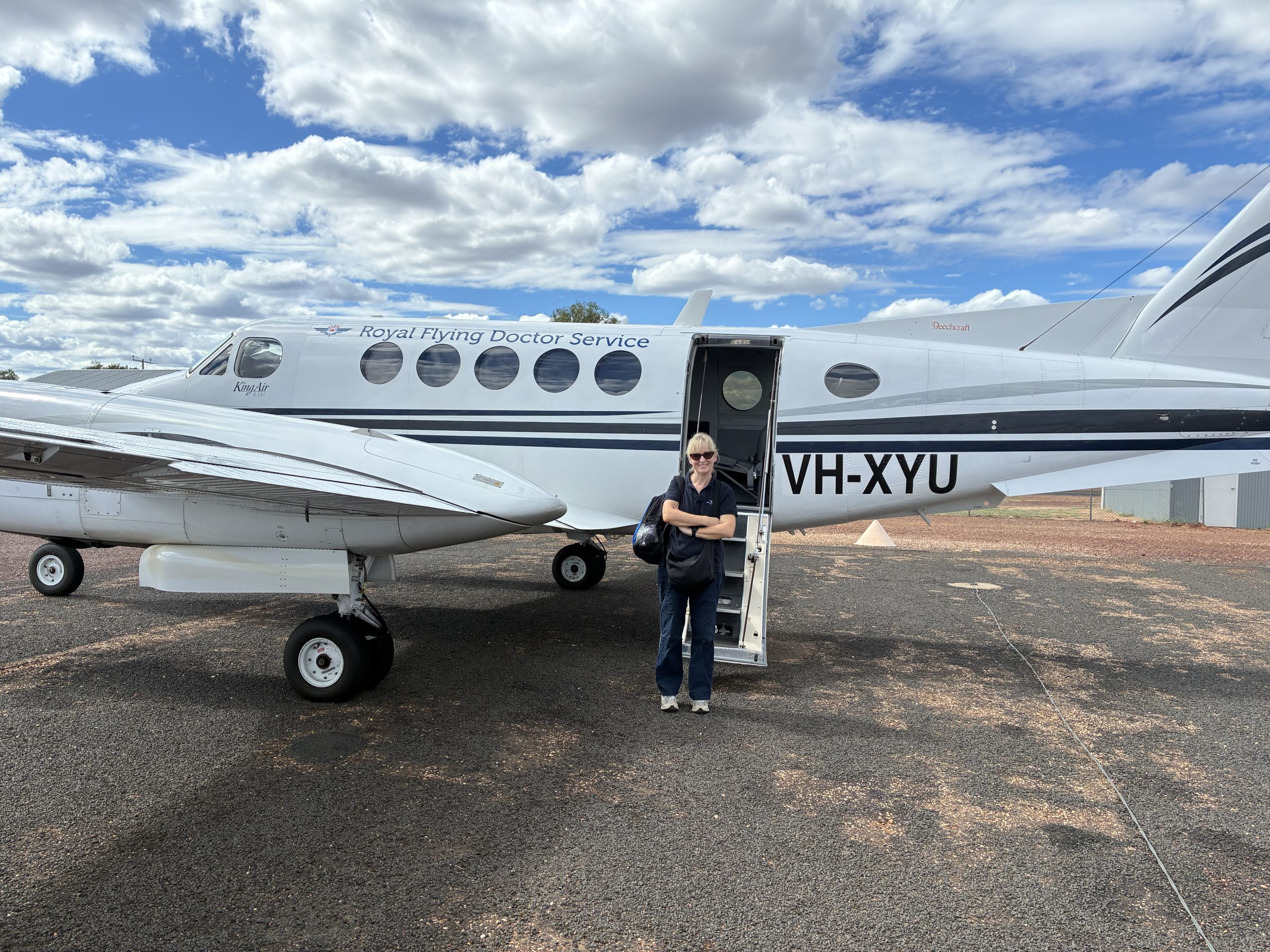
I board a small plane with a Royal Flying Doctor Service (RFDS) pilot and a dental team I trust deeply, and we lift off over Central West NSW. Below us, the landscape changes shape and colour. Roads stretch out for impossible distances. Towns appear as small clusters in a vast place. From the air, you get a very clear reminder of what distance really means.
It is beautiful, and it is also confronting.
Because every flight, every long drive, every outreach clinic and every day in the dental van reminds me that access to oral health care in Australia is still shaped far too much by postcode, income, trauma, transport, housing, and whether the system has been designed with you in mind.
That is one of the reasons I love this work so much, and also why it can be heartbreaking.
At RFDS South Eastern, which predominantly covers NSW, we see people who often carry so much more than dental pain. We meet people who have put off seeking oral healthcare for years, not because they do not care about their health, but because care has been too far away, too expensive, too frightening, too complicated, or simply not available when they needed it.
This is why having the RFDS dental team regularly come to some of the most rural and remote communities on a regular basis, either by plan or by dental van, is so important.
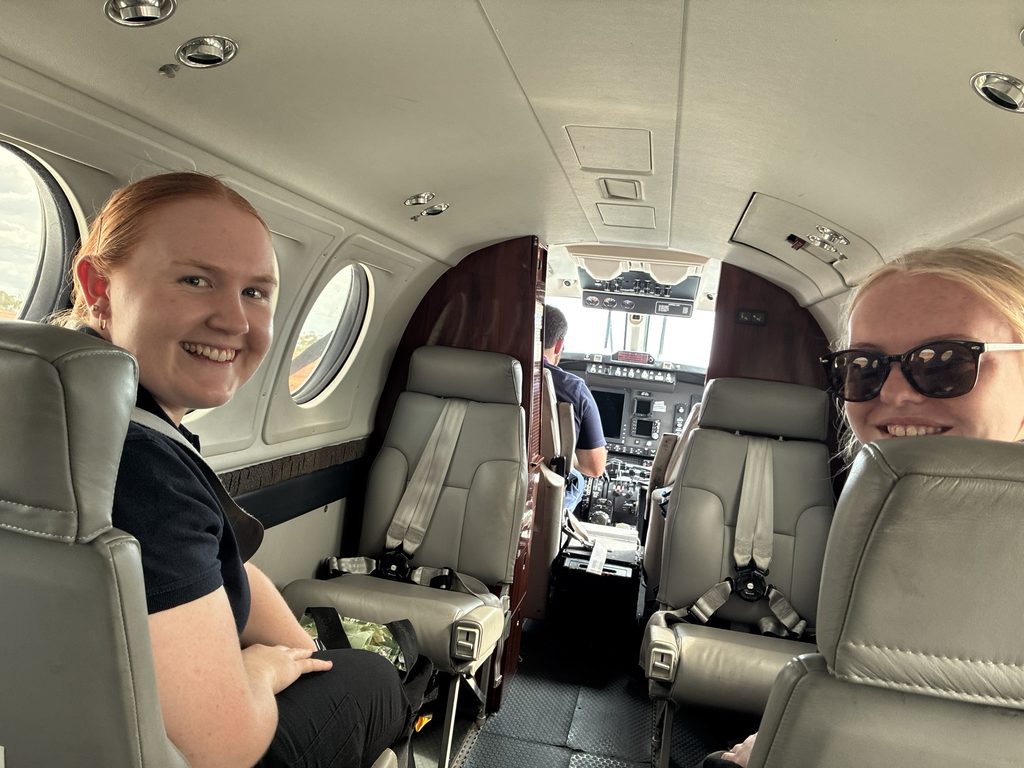
We visit communities with so much heart, pride and spirit, but also deep isolation and limited access to services. We see people in justice settings who have been through more than many of us can imagine, and who deserve the same quality of care, dignity and respect as anyone else.
We support people experiencing homelessness, addiction, mental health challenges, family violence, disability, chronic disease and other forms of vulnerability that can make walking into a dental clinic feel impossible.
And still, people show up.
Sometimes the most important clinical work does not start in the dental chair. Sometimes it starts outside the van, sitting under a tree with someone who is terrified of coming in. Sometimes it starts in the waiting room, chatting with a parent who is worried about their child’s teeth and unsure what to do next. Sometimes it starts with slowing everything down, explaining what will happen, giving someone control, and making sure they know they can stop at any time.
I feel incredibly lucky to work alongside dental nurses, clinicians, pilots, managers, coordinators, health workers and community partners who understand this. The best parts of this work are always collective. No one creates a safe clinic on their own. It comes from the tone at reception, the warmth in the waiting room, the calm presence of the dental nurses, the skill of the clinicians, the planning behind each trip, the relationships built over time with local services and communities.
In the clinic, safety is something we practice in small ways, all day.
It is in the way we notice when someone may start becoming overwhelmed. It is in the way the team adjusts the pace of an appointment. It is in the way we talk with someone, not at them. It is in the way we help an older patient navigate the health system so they can get the follow-up care they need. It is in the way we try to make sure people leave feeling respected, even when we cannot fix everything in one visit.
And that is one of the hardest parts, because there is so much need.
There are people living with pain that should have been prevented. Children with tooth decay that could have been avoided with earlier support. Adults who only reach care when things have become urgent. Older people trying to navigate a complex system when they should be supported with ease and dignity. Communities where the need is not occasional or exceptional, but ongoing.
The heartbreaking part is knowing that much of this suffering is not inevitable.
We know so much about how to prevent oral disease. We know the importance of early support, trusted information, fluoride, healthy environments, regular care and systems that make prevention easier. We know oral health is deeply connected to overall health and wellbeing. We know that when people receive the right support early, the benefits can ripple across their lives.
But too often, our system still waits until people are in pain.
That is why I am so passionate about preventive oral health, and why I believe we need to keep pushing for care that reaches people earlier, closer to home, and in ways that feel safe and practical.
I love this work because I get to see what is possible when a team brings skill, compassion and persistence into places where care has not always been easy to access. I love it because I get to meet people with extraordinary resilience.
I love it because, even on the hard days, there are small moments that stay with you. Like someone walking into the clinic after being too frightened to come in, a parent leaving with a clearer plan for their child, an older person getting the follow-up care they need, a person who has previously been judged leaving our service knowing they were met with respect, perhaps for the first time.
Those moments do not solve the bigger problem. But they remind me why the bigger problem is worth solving.
Everyone deserves good oral health. Everyone deserves care that is safe, respectful and free from judgement. And no one’s chance of getting that care should depend on where they live, what they earn, or how much they have already had to overcome.